SMSC stands for Spiritual, Moral, Social, and Cultural development, which refers to the broader personal development of children alongside their other learning.
SMSC is a vital part of education, as it helps our children to develop into well-rounded, thoughtful, and respectful individuals. By promoting spiritual, moral, social, and cultural development, Broadmayne First School aims to help students develop a sense of identity and purpose, as well as an awareness of their place in society.
Spiritual
Spiritual development refers to the development of a sense of identity and belonging, as well as an understanding of life's purpose and meaning. It includes exploring and developing an individual's own beliefs, values, and experiences, as well as respecting the beliefs and experiences of others.
KS1 Spiritual: Understanding and valuing feelings and emotions; exploring and understanding different religions and beliefs.
KS2 Spiritual: Reflecting on the world around us; exploring beliefs, values and meaning; understanding the concept of spirituality.
Moral
Moral development relates to the development of a sense of right and wrong, as well as an understanding of how to behave in a way that is consistent with one's own values and beliefs. It also involves developing empathy and respect for others and their beliefs.
KS1 Moral: Recognising right from wrong; developing a sense of fairness; understanding the consequences of actions.
KS2 Moral: Understanding the importance of rules and laws; making ethical judgements; developing a sense of responsibility and empathy.
Social
Social development is about developing relationships with others and understanding how to interact with people from different backgrounds and cultures. It involves learning about social norms, customs, and traditions, as well as developing social skills and the ability to communicate effectively.
KS1 Social: Developing positive relationships with others; recognising and respecting differences in others.
KS2 Social: Developing effective communication and teamwork skills; learning to manage conflicts and disagreements; developing an understanding of different cultures and beliefs.
Cultural
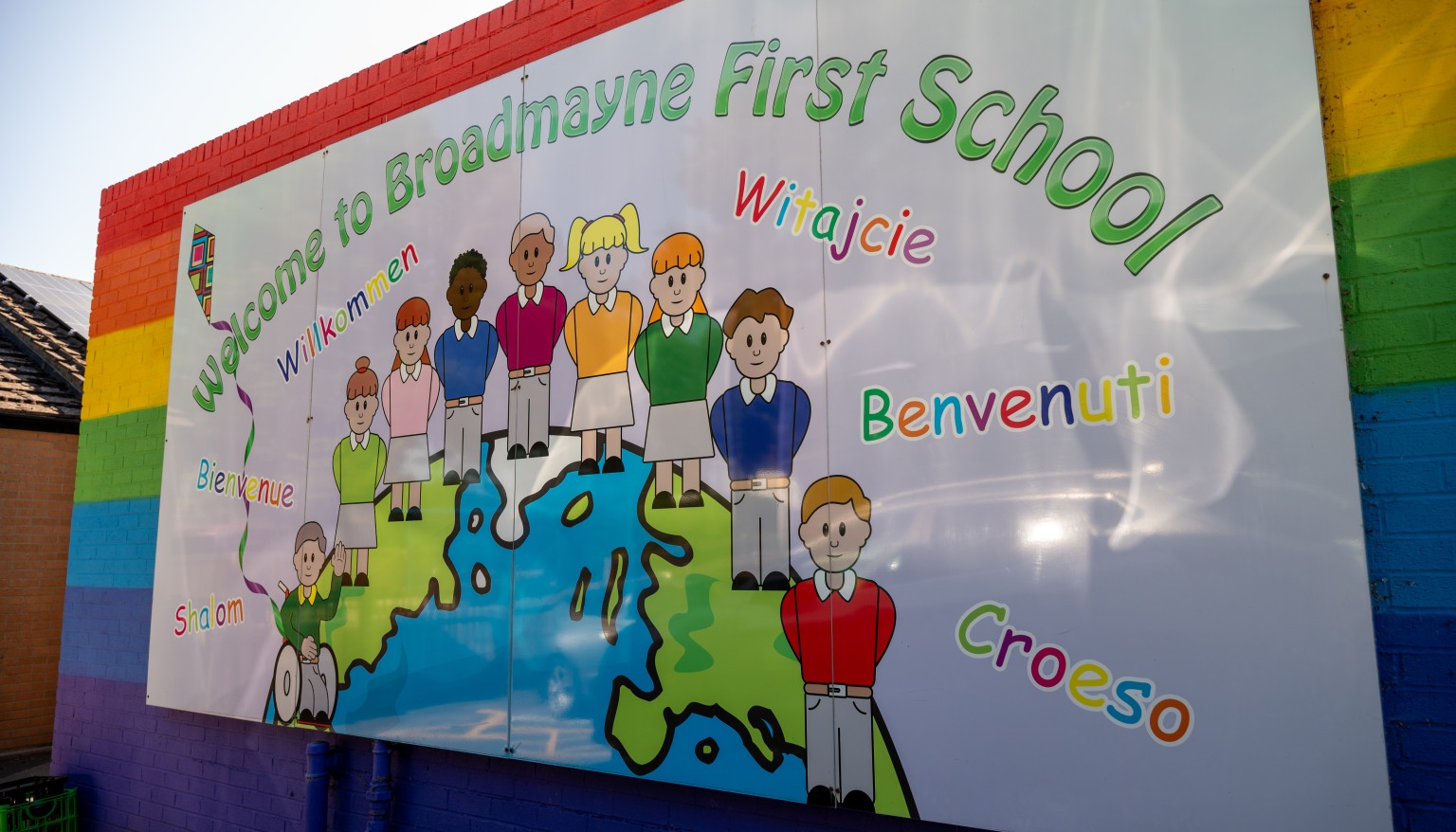
Cultural development involves understanding and appreciating the richness and diversity of different cultures, and the ability to interact respectfully with people from different backgrounds. It involves learning about different customs, traditions, and beliefs, as well as understanding the historical and social contexts that shape them.
KS1 Cultural: Learning about different cultures, traditions and celebrations; understanding the importance of diversity.
KS2 Cultural: Understanding and celebrating the diversity of our society; developing a sense of identity and belonging; exploring how culture impacts our daily lives.
SMSC is an essential part of Personal, Social, Health and Economic (PSHE) education and Religious Education (RE). Our children learn about different cultures and religions, how to be a responsible citizen, and how to respect and appreciate others.
SMSC is not taught as a separate subject but is embedded in our curriculum, policies, and practices of our school. We aim to provide a range of opportunities and experiences that promote pupils' spiritual, moral, social, and cultural development, such as a range of assemblies, visits, guest speakers, and extracurricular activities.
At Broadmayne First School our key values that underpin our approach are Safe, Kind and Respect.
We aim to promote respect for diversity, developing empathy and understanding of others, create a sense of community, promote ethical and responsible behaviour, and encourage reflection and self-awareness.
We also promote fundamental British values - democracy, the rule of law, individual liberty, mutual respect, and tolerance of those with different faiths and beliefs.
At Broadmayne we aim to create a nurturing and supportive environment where our children can feel valued and respected. We encourage the children to share their thoughts and feelings in a safe and supportive setting and give opportunities for them to participate in school-wide events such as sports days, cultural festivals and special days. We also use stories, songs, or art activities to explore themes such as friendship, empathy or fairness.